-
Psycho Nude Rasslin’ Circus comes from the same long, stubborn road that’s shaped the rest of my work. It started with childhood nights in the 1960s and early ’70s, my brother and I glued to a black‑and‑white TV while wrestlers with larger‑than‑life names threw each other around like mythic cartoon characters. A girl down the street had a dad who refereed for the local shows, and through him I first saw those classic 8×10 promo shots — The Vachons, Gene Kiniski, Killer Kowalski, Verne Gagne. They were equal parts theatre, bravado, and pure salesmanship, and they burned themselves into my imagination before I even knew what an artist was.
Wrestling drifted out of my life for a while, but in 2009 I caught a match so ridiculous, so full of swagger and absurdity, that it snapped everything back into place. That spark — the humour, the exaggeration, the unapologetic spectacle — became the seed for this series.
The fifteen drawings in Psycho Nude Rasslin’ Circus are 16 × 20 inch India‑ink on acid free paper. These images built with a stipple and cross‑hatching technique, and the kind of multi‑panel chaos that comes from decades of drawing, experimenting, and refusing to settle. They pull from pop graphics, graffiti energy, and the wild rhythm of vintage wrestling broadcasts. The result is part comic page, part fever dream, part ringside seat to a world that never took itself too seriously — and maybe that’s why it stuck with me.
The originals aren’t for sale. They’re too personal, too tied to the long haul. But each episode has been reworked with colour and produced as a limited‑edition giclée print, printed in‑house by the artist on acid‑free paper using archival inks..
Each episode is limited to 12 prints, plus an artist’s proof and a printer’s proof. After that, everything used to make them gets destroyed. No reprints. No “lost editions.” No shortcuts.
Together, the fourteen episodes form a loose, rowdy narrative — a circus of characters, gestures, and confrontations — echoing the same grit, humour, and stubborn persistence that’s kept me making art for more than fifty years.
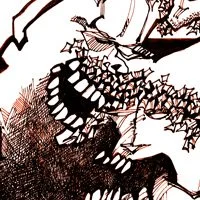
Episode 1:
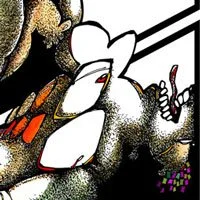
Episode 2:
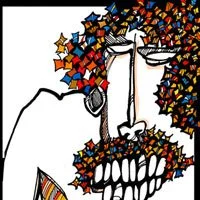
Episode 3:

Episode 4:
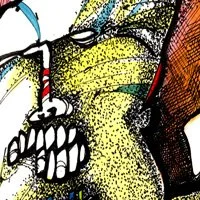
Episode 5:

Episode 12

Episode 13: